over 50 girls in rwanda supported: The Igitoki Way’s first Pilot Launch
Written August 2026
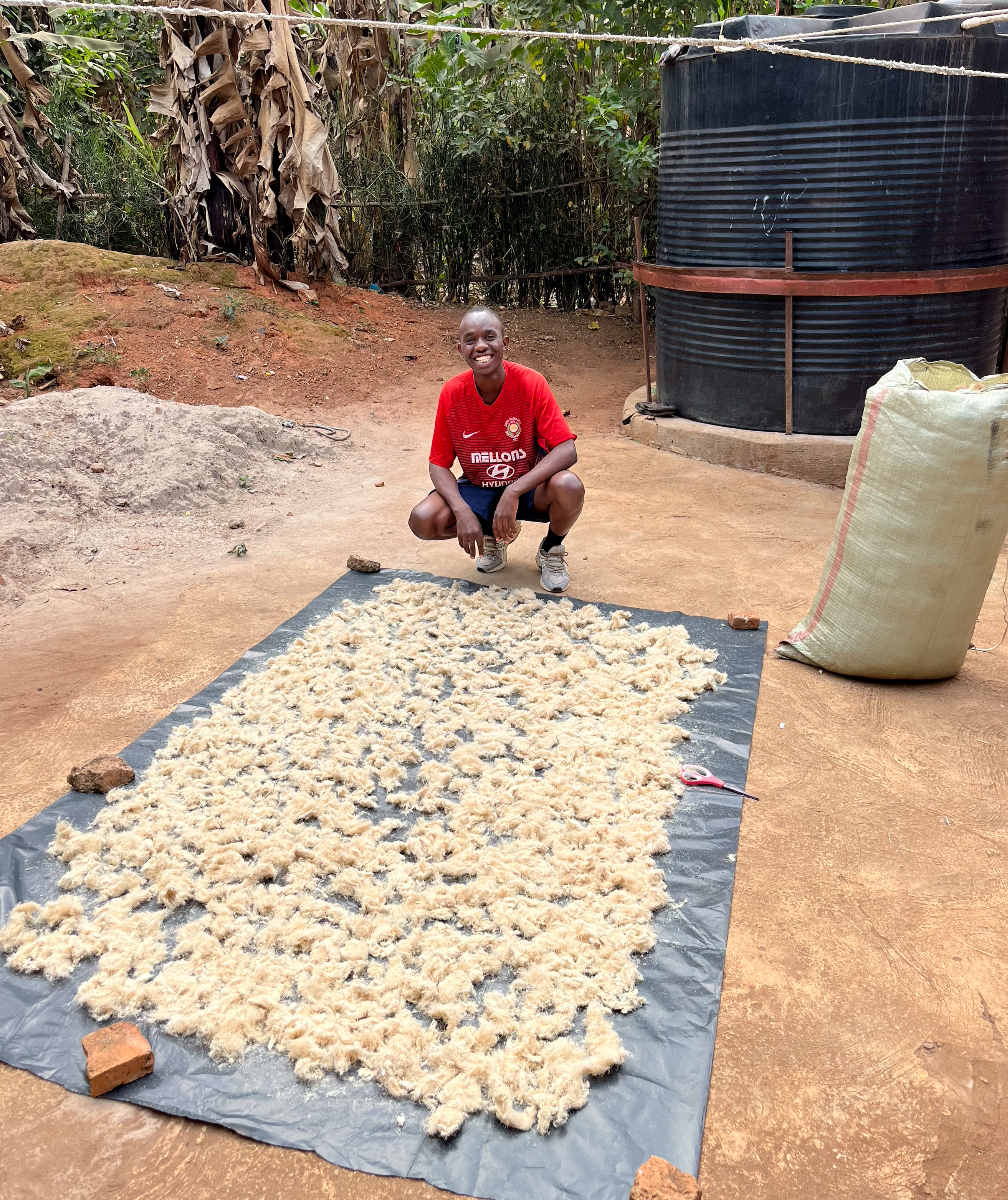
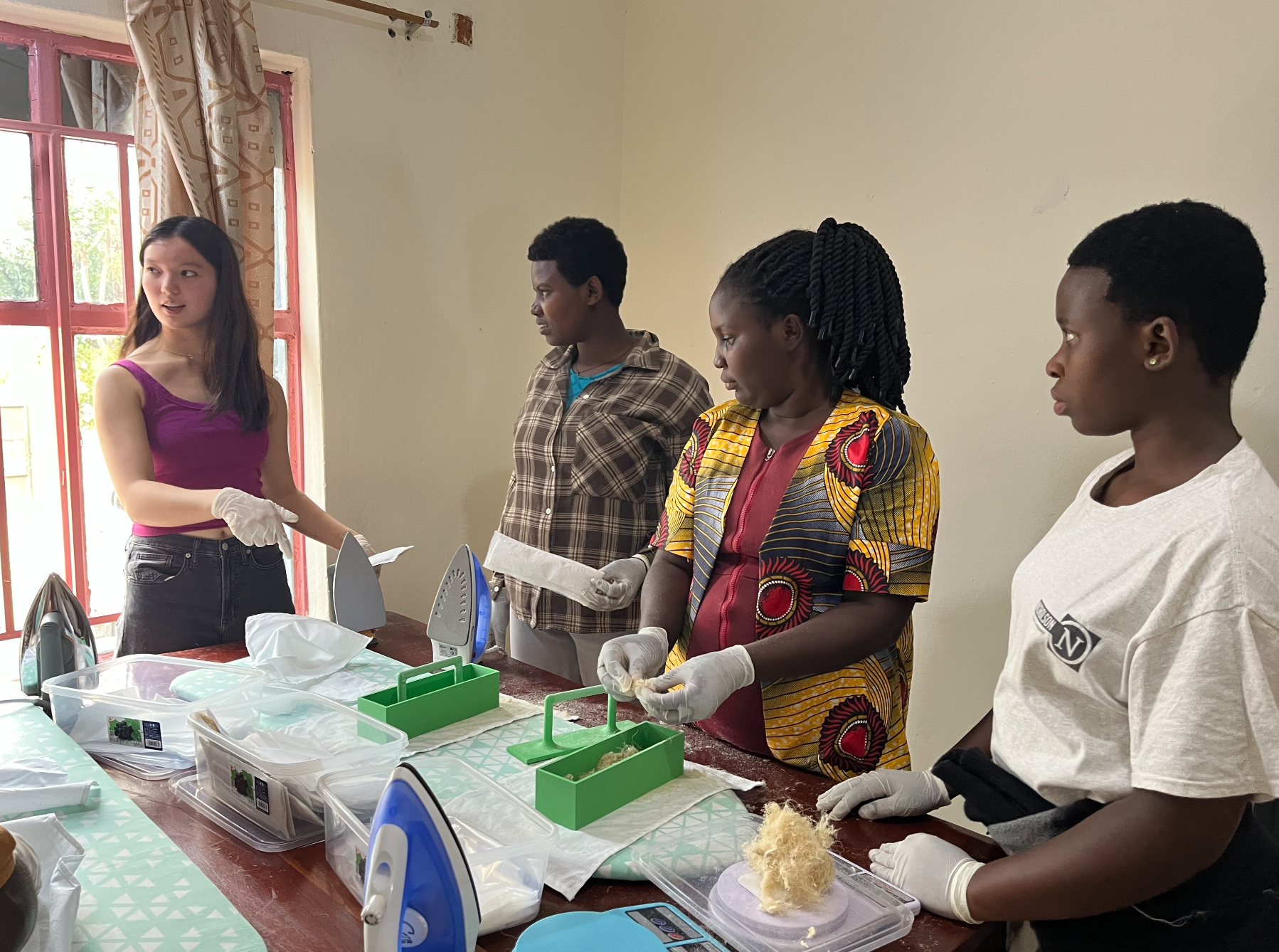
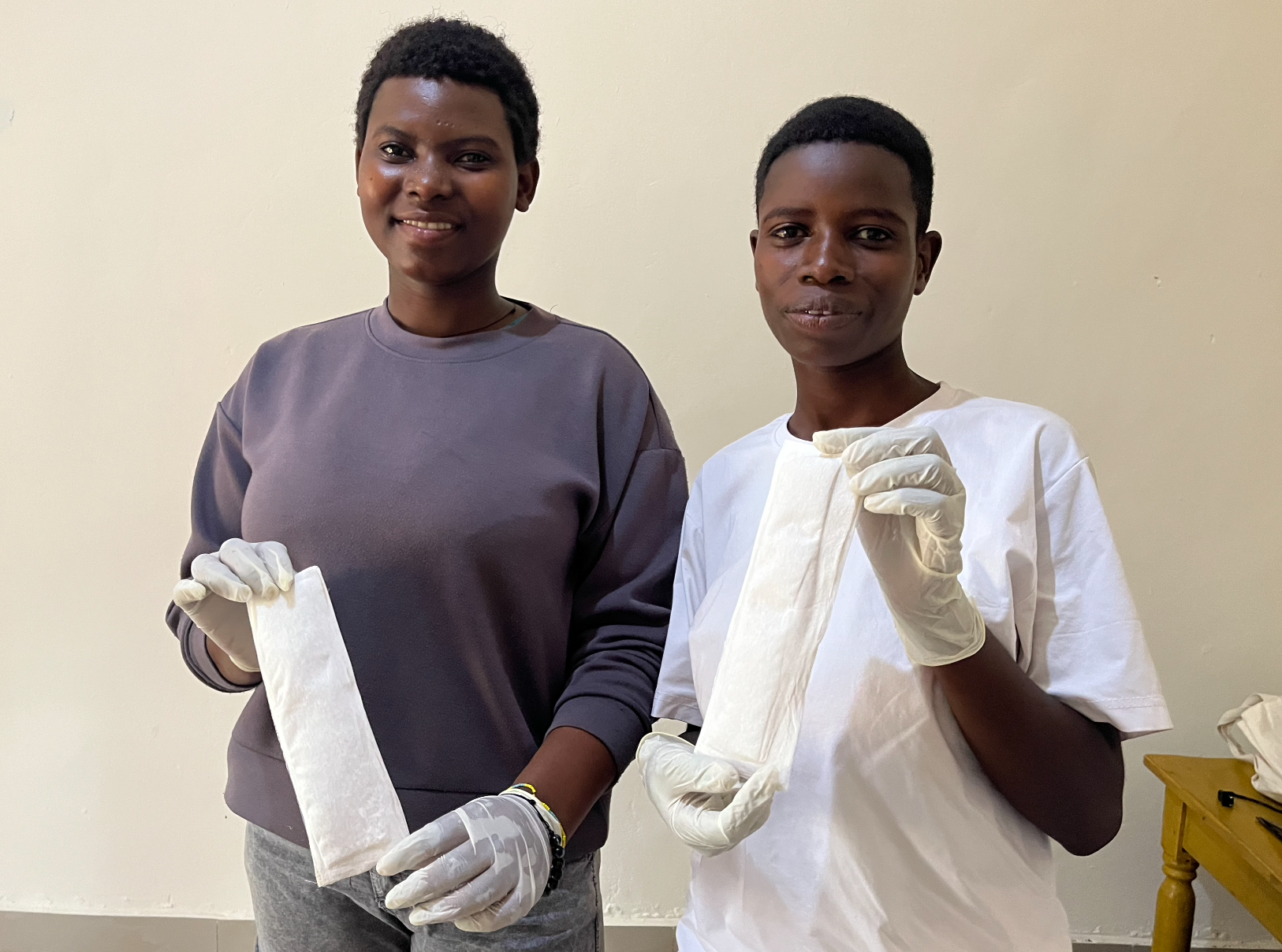
This summer, our vision to tackle period poverty through a circular-economy model moved from concept to reality. From July 28 to August 5, 2026, we launched our pilot production phase. Our team spent these two weeks getting trained on the pad-making process, learning skills including how to solarize banana fiber and disinfect the pads, as well as proper hygiene protocol. Every step, from the precise weighing of fiber to the heat-pressing of the protective layers, was a step toward vocational empowerment for our team and dignity for our users. The true heart of the pilot, however, was in the community.
Onwards!
Daryn Tarasewicz, Founder
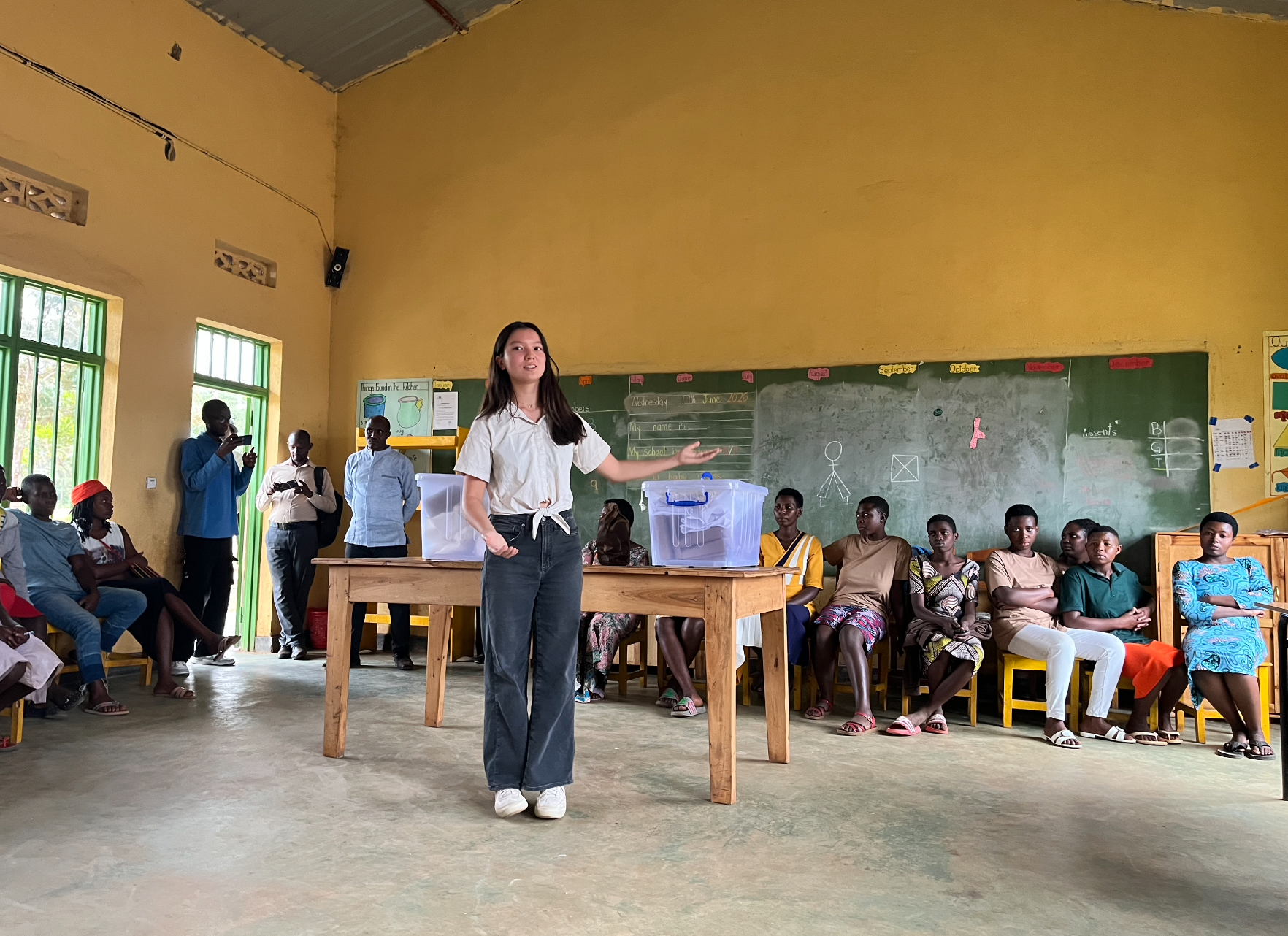
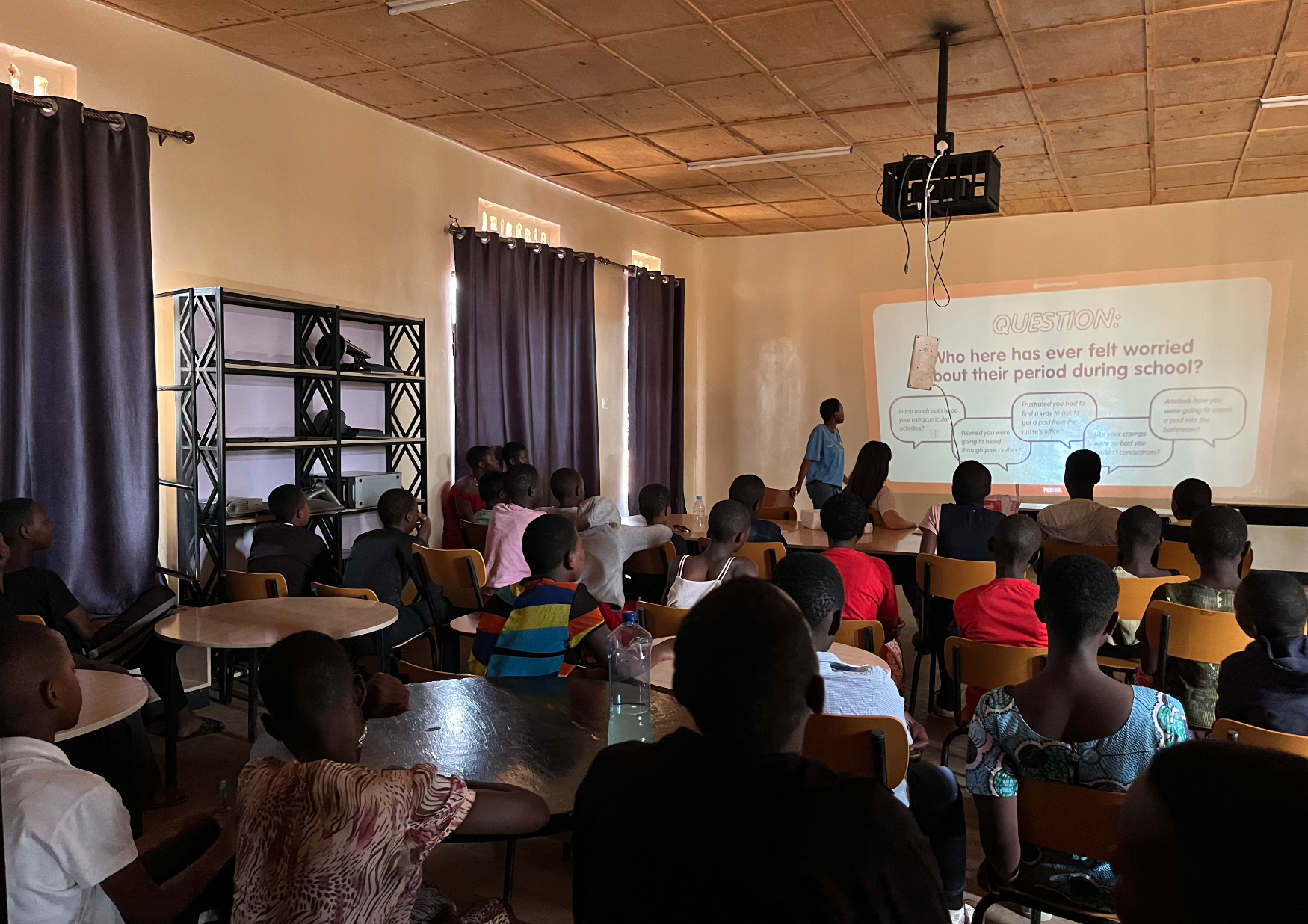
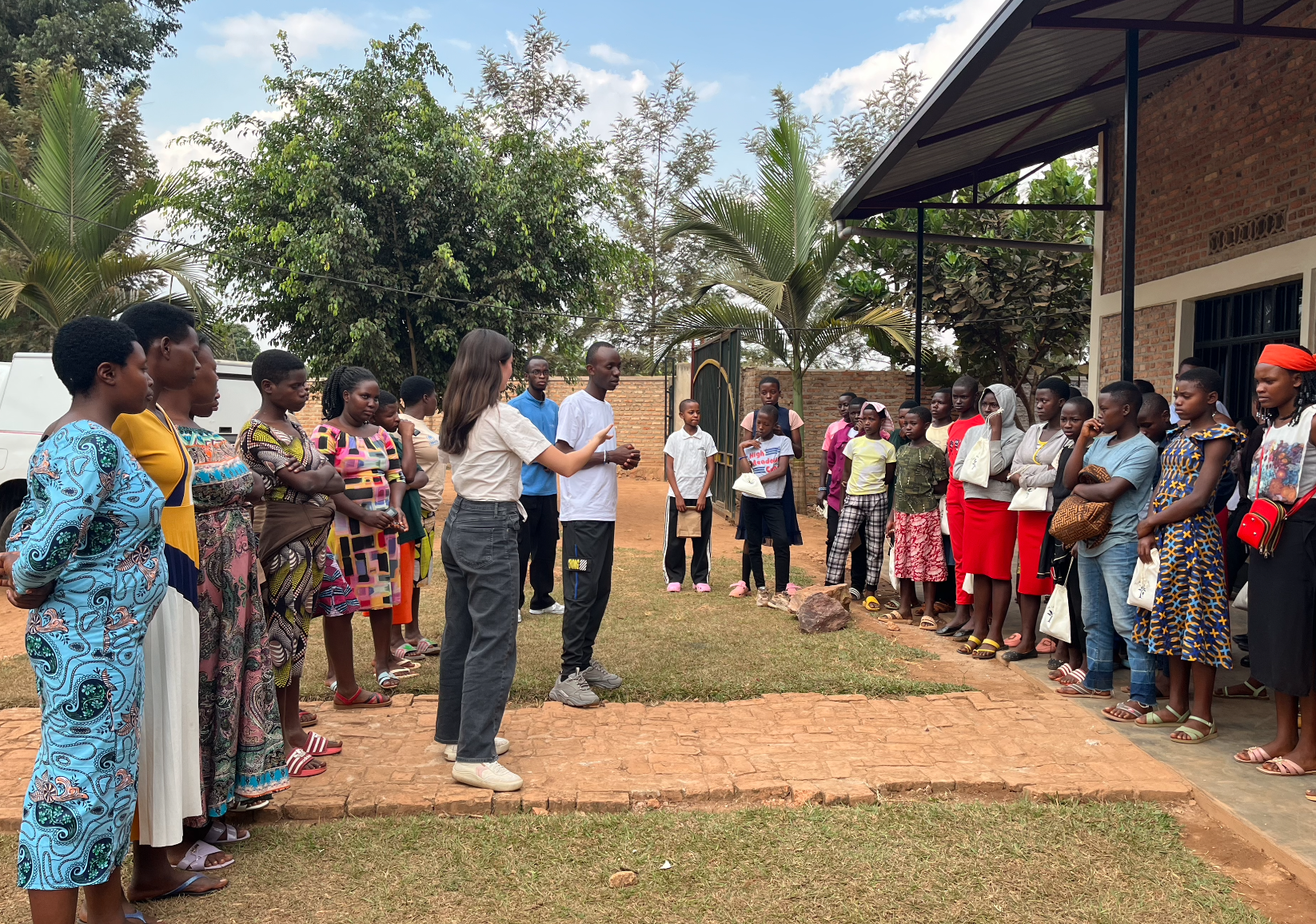
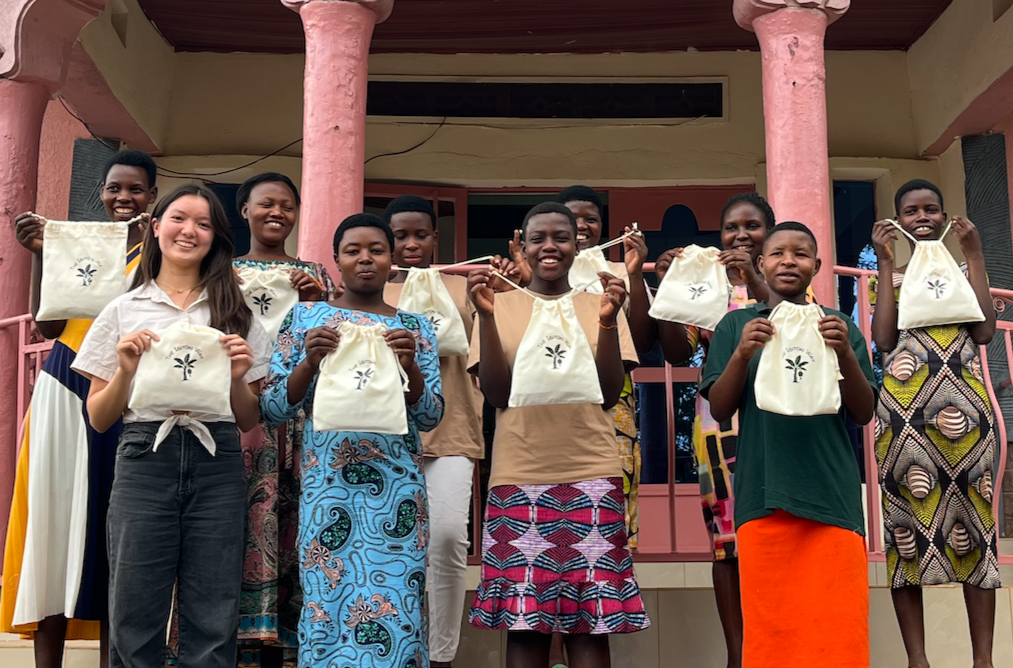
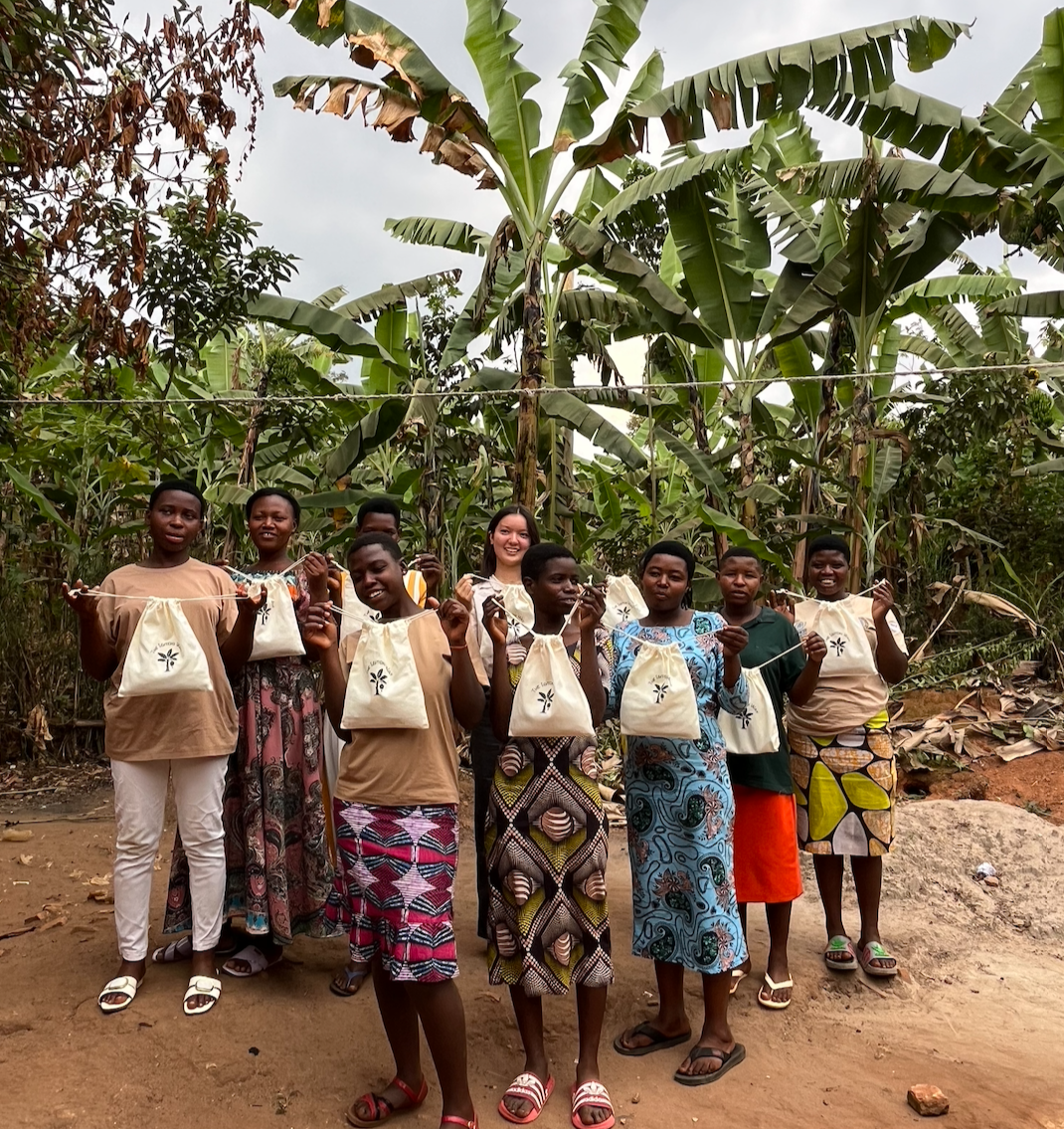
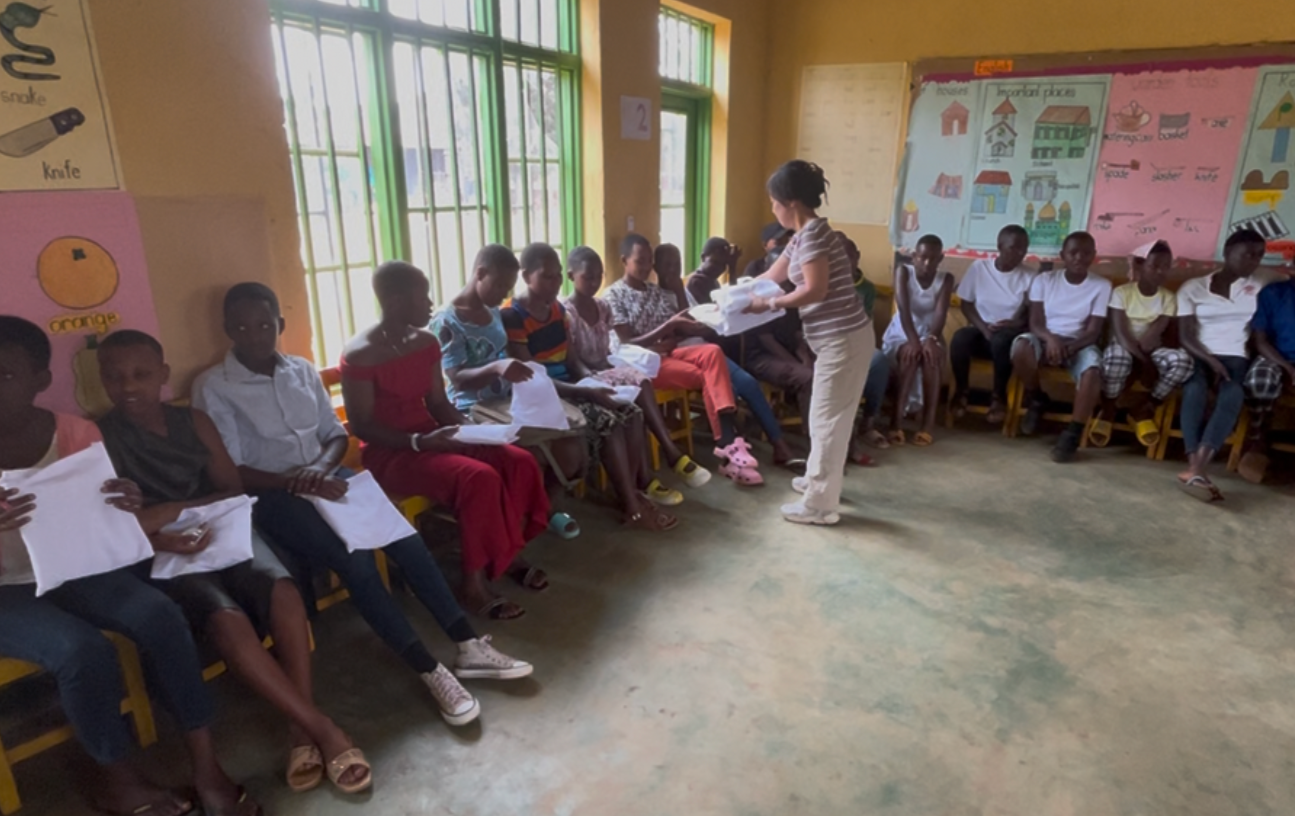
We successfully distributed our first batches to 52 girls across Rwamagana, a rural village in Rwanda. The pads were distributed in canvas bags that can be reused for distributions in the future. Along with the distribution, we gave presentations about the menstrual cycle, covering everything from its various phases to managing anticipated symptoms, as well as addressing common misconceptions shaped by cultural stigmas. In doing so, we not only ensured that these girls are equipped with the tools to navigate their periods with confidence, but also encouraged the next generation of Rwandan youth to normalize honest, shame-free discussions about menstruation. It was truly inspiring to see everything come together after months of preparation, from the first bales of banana fiber we received to seeing the confidence bloom in the girls we supported. The Igitoki Way team is extremely grateful for the Children Might Foundation, a local partner that assisted greatly with translation and in identifying the girls in need from the community. We are also appreciative of all our donors, whose support was the key in turning all of our visions into reality.
Looking forward into the future, it’s so exciting to see how much potential there is to expand our impact. As we bolster our production, we are aiming to reach an additional 250 girls every month. Ultimately, however, our work is about more than just manufacturing. It is about weaving a new narrative for the women of Rwanda. One where education and opportunity are birthrights, not something that is held back by simply one’s own biology. By turning the humble banana fiber into a tool for empowerment, we are proving that the most transformative solutions are often those grown from our own land and nurtured by our own communities. The journey ahead will no doubt be challenging. But with every barrier dismantled and every stigma replaced by open dialogue, we are creating a future where everyone, regardless of gender or social status, is empowered to follow their calling and reach for the stars.